


Marahuyo Bridge forms part of a Cavite eco park recognized internationally for showing how bamboo can support sustainable tourism and design
Time Magazine named Kaway-An Eco Park one of the “Greatest Places of 2026,” placing the bamboo-built destination in General Trias at the center of global conversations on sustainable design, community spaces, and climate-responsive architecture.
Located 90 minutes from Manila, the 3-hectare development offers a nature-driven space where visitors can explore gardens, open landscapes, and bamboo-crafted structures designed to sit naturally within the environment.
As a tourism destination, the eco park also hosts private events and photoshoots, while guests and visitors can enjoy horseback riding and boating on the lagoon.
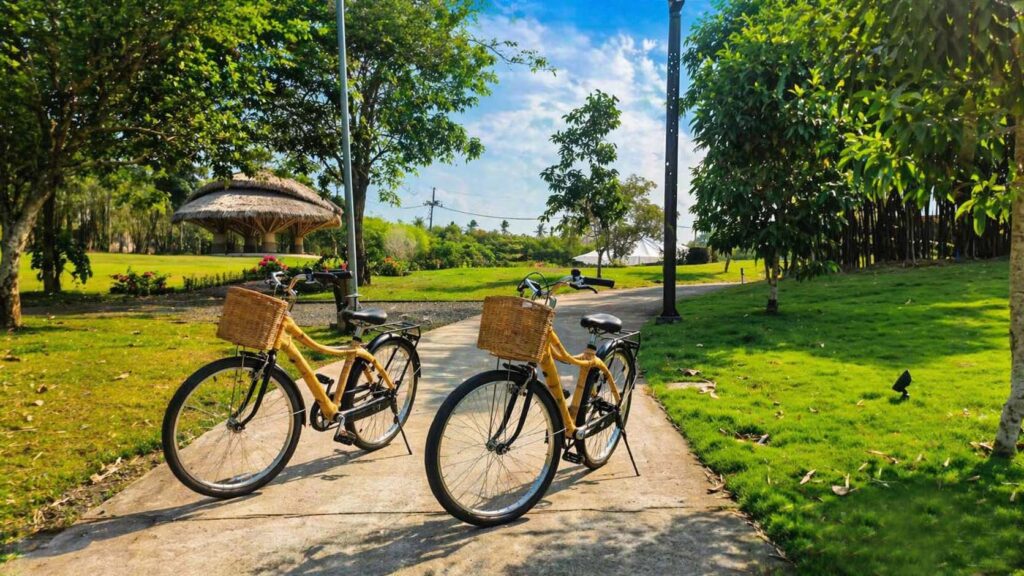
Kaway-An Eco Park gives visitors a nature-led stop for leisure, events, and outdoor activities while promoting bamboo as a modern building material
Rosie Tsai, president of Citihomes Builder and Development Inc., said that the recognition aligns with a long-developed vision: bamboo as a modern, high-performance building material rooted in Filipino identity and ecological thinking.
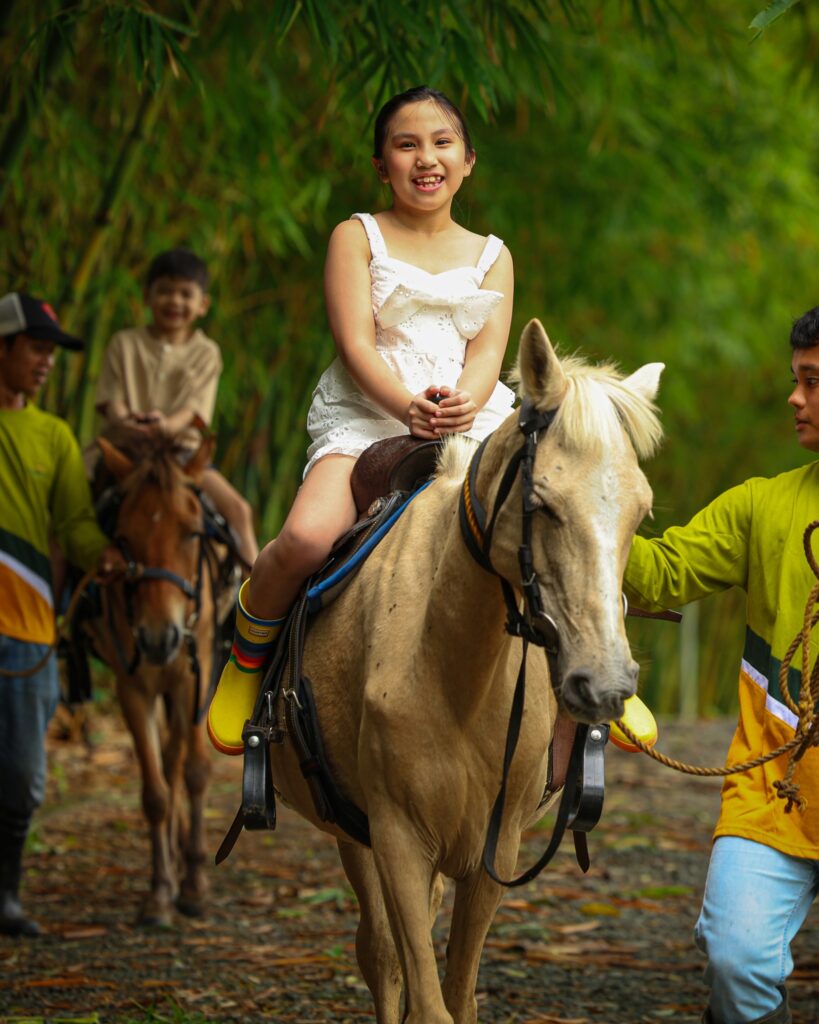
Developed in collaboration with designer Elora Hardy and Sangay Architects, Kaway-An Eco Park takes its name from the Tagalog word for bamboo. Tsai often draws a parallel between bamboo’s flexibility and strength and the resilience of the Filipino spirit.
The eco park features a 4,900-square-foot open-air Grand Pavilion designed with a steel framework to withstand typhoons, along with the Marajuyo Bridge, which arcs across a lagoon. Bamboo columns rise beneath the pavilion canopy, shaping a forest-like atmosphere.
Since opening in July, the site has drawn visitors from Manila and nearby provinces for permaculture gardens, boating, horseback riding, birdwatching, yoga sessions, and bamboo farming workshops.

The Grand Pavilion serves as a showcase for engineered bamboo, reflecting the project’s push to bring local materials into future-ready architecture
Tsai said the project was built as both a public space and a working example of bamboo-based architecture.
“When we have architects and students visiting, especially those who are passionate about bamboo, you really see the level of interest,” she said in an interview. “Not everyone is into bamboo yet, and that’s something we need to change. We have to break the outdated notion that bamboo is merely ‘poor man’s lumber.’”
She said engineered bamboo is already part of contemporary construction and interior design.
“Today, bamboo has evolved significantly. From treated bamboo poles, we now produce engineered bamboo—boards and finishes that are already being used in high-end homes for interiors. So the question is: if it’s good enough for interiors, why not for structural applications?” Tsai said.
The Grand Pavilion was designed to demonstrate what engineered bamboo can achieve in structural form.
“That’s exactly what this pavilion demonstrates. It shows what’s possible when bamboo is properly treated and engineered,” she noted. “At the end of the day, durability comes down to proper treatment and processing.”
Tsai said interest in bamboo construction continues to grow among architects and engineers, alongside efforts to include it in formal building standards.
“There are ongoing efforts from architects and engineers to institutionalize bamboo as a recognized construction material under the National Building Code,” she said. “For that to happen, it needs formal approval and standardization, which involves rigorous testing and government support.”
She elaborated that bamboo offers environmental advantages that support climate-conscious development.
“Unlike traditional timber, which takes 20 to 30 years before it can be harvested, bamboo matures in about five years for construction use—and even as early as three years for applications like paper, fiber, and textiles,” Tsai said. “Because bamboo is technically a grass, not a tree, it regenerates quickly after harvesting.”
She added that bamboo also absorbs carbon dioxide at a higher rate compared with many tree species, reinforcing its role in sustainable building approaches.
Tsai said the long-term direction involves expanding bamboo cultivation, strengthening processing capacity, and aligning policy support to encourage wider adoption.
“We’re talking about all types of poles in various sizes, especially giant bamboo poles,” she said. “If we can align policy, innovation and awareness, bamboo has the potential to become a key building material in the near future.”
The project’s development also required careful sourcing and engineering validation.
Tsai said early sourcing explored local suppliers, including treated giant bamboo poles from Manolo Fortich in Bukidnon through Rhizome, along with additional materials from Bali.
A key requirement came from UK-based structural engineering firm Atelier One, known for major projects such as the Flower Dome, Cloud Forest, and Supertrees at Marina Bay Sands in Singapore.
Tsai believes that Kaway-An Eco Park serves as a living demonstration of how bamboo can support future-ready architecture while grounding design in local identity, environmental awareness, and community use.
References:
Manila Standard